10 Best Tools to Supercharge Your PowerPoint Presentations
In today's fast-paced world, captivating your audience with stunning and insightful presentations is more crucial than ever. Whether you're a seasoned professional delivering a critical pitch, an educator striving to engage students, or a student aiming for top marks, the quality of your slides can make all the difference. Gone are the days of spending countless hours on tedious design and content creation. Advanced presentation tools are now at our fingertips, offering incredible capabilities to transform your ideas into compelling visual stories with remarkable efficiency. These innovative platforms streamline everything from content generation to aesthetic design, ensuring your message is not only heard but also remembered. Discover how these cutting-edge solutions can elevate your next presentation, saving you time and boosting your impact.
Revolutionizing Presentation Creation: Why Embrace Smart Tools?
The landscape of content creation has dramatically evolved, and presentations are no exception. Modern tools offer a suite of features designed to tackle the most common challenges presenters face: writer's block, design paralysis, and the sheer time investment required to craft a professional deck. By harnessing the power of intelligent algorithms, these platforms can suggest layouts, generate text, select relevant images, and even create data visualizations, all with minimal input from the user. This frees up valuable time, allowing you to focus on refining your message and practicing your delivery, rather than wrestling with formatting or searching for the perfect icon.
Embracing these sophisticated tools means more than just automation; it's about unlocking a new level of creativity and efficiency. Imagine starting with a simple idea or a few bullet points and watching as a polished, branded presentation takes shape before your eyes. These solutions ensure consistency, improve visual appeal, and can even help tailor content for different audiences, making your presentations more effective and memorable. They empower everyone, regardless of design experience, to produce high-quality, impactful presentations that leave a lasting impression.
Key Benefits of Leveraging Advanced Presentation Solutions:
- Time-Saving Efficiency: Drastically cut down on the hours spent on design, content drafting, and slide creation.
- Enhanced Visual Appeal: Access to professional templates, smart layout suggestions, and curated image libraries ensures a polished look.
- Content Generation Assistance: Overcome writer's block with intelligent suggestions for headlines, body text, and speaker notes.
- Consistency and Branding: Maintain a unified aesthetic across all slides, adhering to brand guidelines effortlessly.
- Data Visualization Made Easy: Transform raw data into clear, compelling charts and graphs with minimal effort.
- Increased Engagement: Dynamic elements and well-structured content help keep your audience captivated.
- Accessibility: Empower individuals without extensive design skills to create high-quality presentations.
Top 10 Tools to Elevate Your Presentations
Here's a curated list of the top tools that are redefining how we create and deliver presentations, each offering unique strengths to suit different needs and preferences.
1. Tome
Tome is a modern storytelling format that allows users to create visually rich, interactive presentations, often referred to as "tomes." It excels at generating entire presentations from a simple text prompt, complete with text, images, and video placeholders. Its intuitive interface and focus on narrative flow make it ideal for quick pitches, project summaries, or creative storytelling. Tome emphasizes clean design and responsiveness, ensuring your presentation looks great on any device.
- Key Features: Generative content, dynamic layouts, interactive elements, diverse media integration.
- Best For: Storytellers, marketers, educators, and anyone needing quick, visually stunning presentations.
- Pros: Extremely fast creation, beautiful aesthetics, user-friendly.
- Cons: Less control over intricate design details compared to traditional software.
2. Gamma App
Gamma is another fantastic tool that simplifies presentation design and content creation. It allows you to transform raw notes or outlines into polished presentations, documents, or webpages in minutes. With a focus on visual impact and concise communication, Gamma uses intelligent design suggestions to ensure your content is presented clearly and engagingly. Its flexible card-based system makes rearranging content a breeze, and its sharing options are robust.
- Key Features: Quick content-to-slide conversion, intelligent templates, card-based editing, analytics.
- Best For: Business professionals, consultants, and teams needing rapid content creation and sharing.
- Pros: Highly efficient, collaborative features, attractive output.
- Cons: Might require some learning curve for advanced customization.
3. Beautiful.ai
As its name suggests, Beautiful.ai is dedicated to ensuring every slide you create is visually stunning. This platform enforces design best practices automatically, adjusting layouts and elements as you add content. You simply choose a smart template, input your text, and let the software handle the alignment, spacing, and overall aesthetics. It's like having a professional designer overseeing every slide, guaranteeing consistency and visual harmony.
- Key Features: Smart templates, automatic design rules, extensive slide library, brand kit integration.
- Best For: Businesses maintaining strong brand guidelines, users who prioritize polished aesthetics.
- Pros: Eliminates design errors, consistent branding, easy to use.
- Cons: Less creative freedom for unconventional designs.
4. Slidebean
Slidebean positions itself as the go-to tool for startup pitch decks, but its capabilities extend far beyond that. It offers an intuitive interface where you focus on content, and the platform automatically designs professional-looking slides. With a vast library of templates, particularly strong for business and financial presentations, Slidebean helps users create impactful decks quickly. It also provides insights and analytics on how your presentations are viewed.
- Key Features: Content-first design, industry-specific templates, pitch deck builder, viewer analytics.
- Best For: Startups, entrepreneurs, sales teams, and anyone creating business proposals.
- Pros: Strong template variety, focus on business presentations, analytics.
- Cons: Subscription can be higher for full features.
5. Plus AI for Google Slides
For users deeply integrated into the Google ecosystem, Plus AI is a game-changer. This add-on for Google Slides enables you to generate entire presentations from a text prompt directly within your Google Slides environment. It can create outlines, draft content, and design slides, significantly reducing the time it takes to build a professional deck. It's an excellent solution for enhancing your existing workflow without switching platforms.
- Key Features: Google Slides integration, prompt-based generation, content and slide creation.
- Best For: Google Workspace users, individuals and teams already using Google Slides.
- Pros: Seamless integration, boosts productivity within a familiar environment.
- Cons: Limited to Google Slides, may not offer as many standalone features as dedicated apps.
6. Canva (Magic Design)
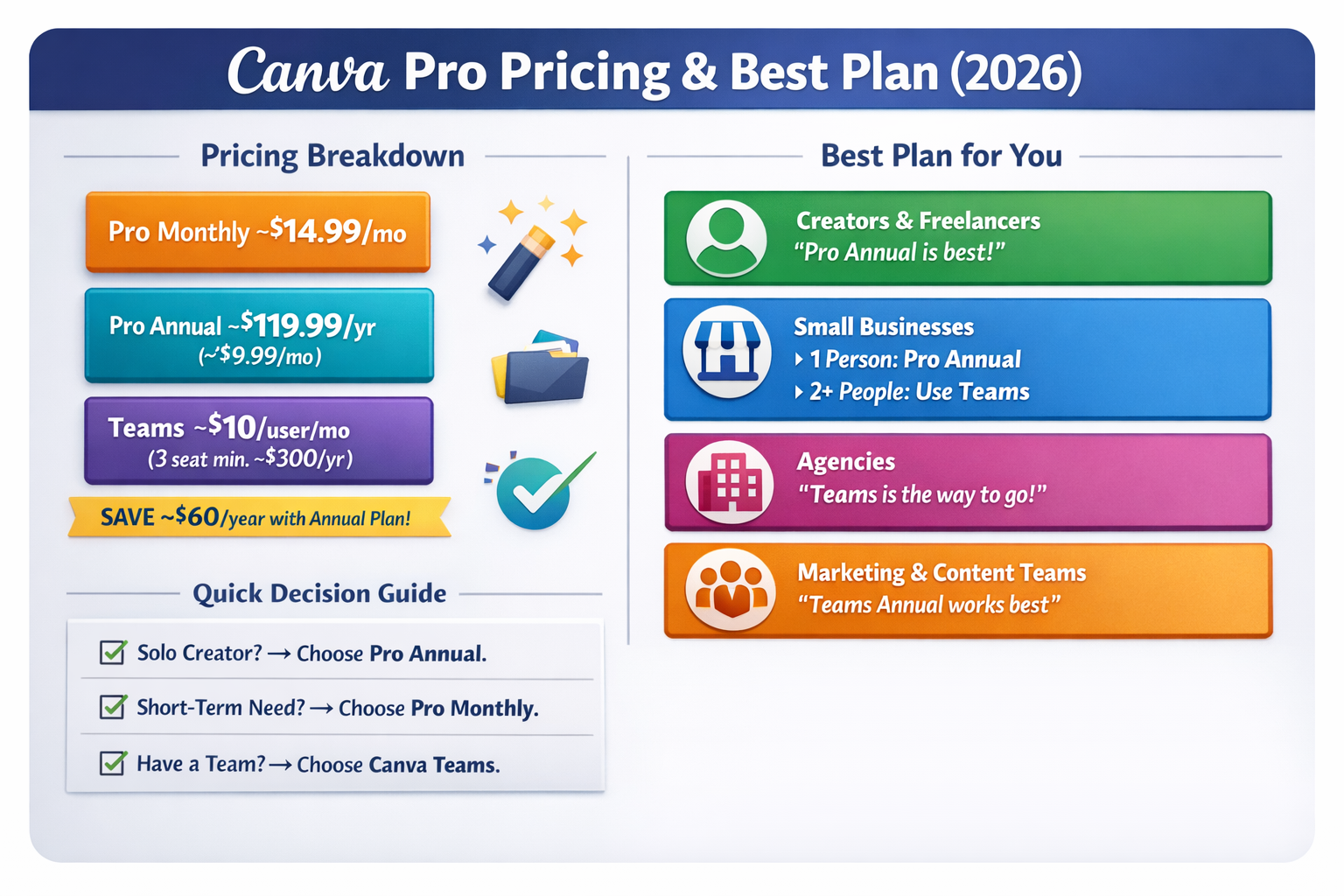
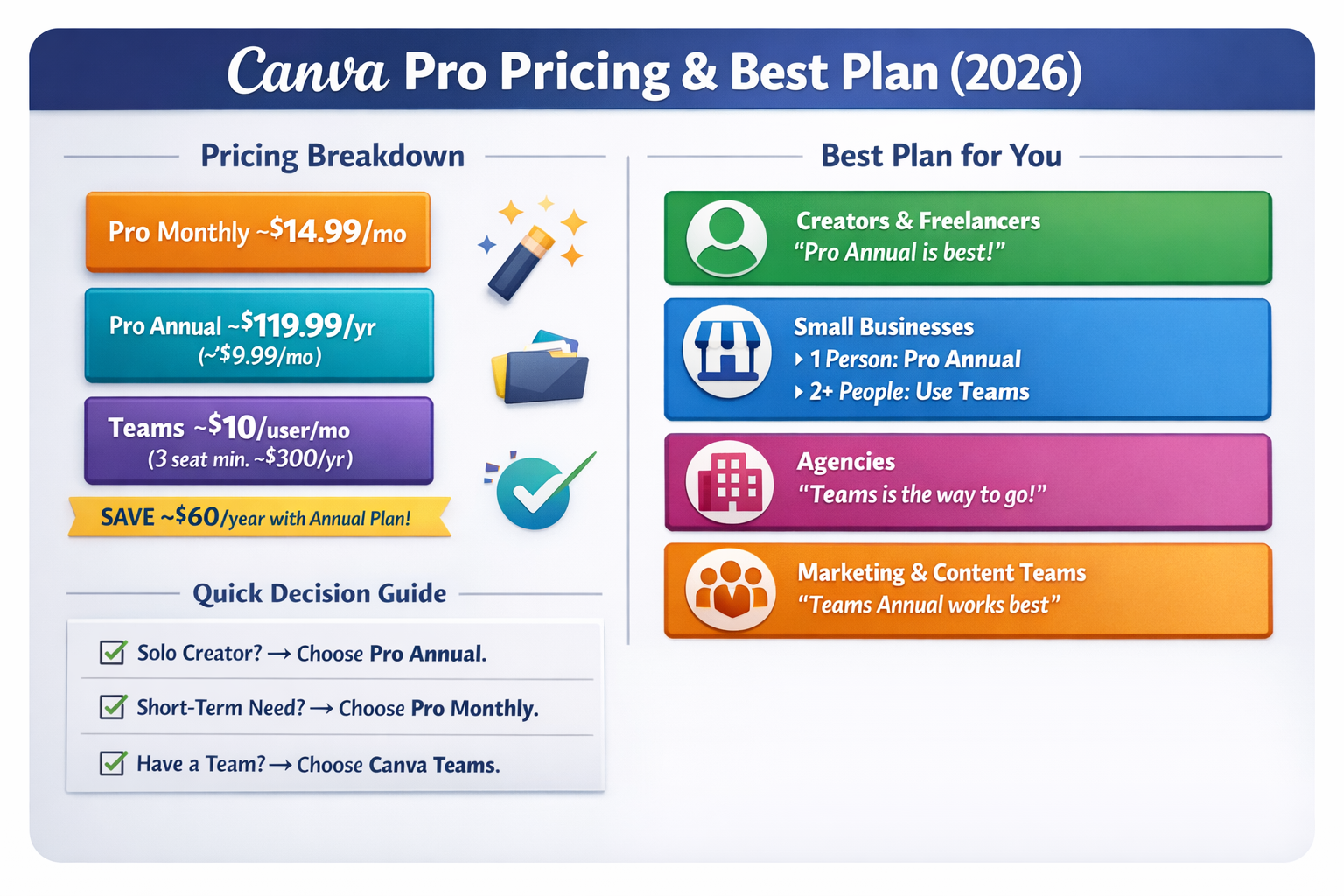
Canva has long been a favorite for accessible graphic design, and its Magic Design feature takes presentation creation to the next level. By simply inputting a topic or a few keywords, Magic Design can generate a variety of presentation templates and content suggestions tailored to your needs. Its drag-and-drop interface, extensive library of elements, and collaborative features make it incredibly versatile for both beginners and experienced designers looking for quick, creative solutions.
- Key Features: Magic Design for presentations, vast template library, extensive media assets, collaboration.
- Best For: Marketers, educators, small businesses, and anyone needing a versatile design tool.
- Pros: User-friendly, massive resource library, highly versatile.
- Cons: Can sometimes feel less specialized for complex, data-heavy presentations.
7. Microsoft PowerPoint (Designer & Copilot features)
The venerable Microsoft PowerPoint is not to be left behind. Its integrated Designer feature automatically suggests design ideas, layouts, and image choices based on your content, helping you create visually appealing slides even without design experience. With the introduction of Copilot, PowerPoint users can now leverage sophisticated generative capabilities to draft outlines, summarize content, and even create entire presentations from prompts, all within the familiar PowerPoint interface. These additions make a powerful case for staying within the Microsoft ecosystem.
- Key Features: Built-in Designer, Copilot for content and slide generation, robust animation tools.
- Best For: Existing Microsoft Office users, large organizations, and those who need deep customization.
- Pros: Industry standard, powerful features, integrates with other Microsoft apps.
- Cons: Can have a steeper learning curve for advanced features without Copilot.
8. Prezi (Prezi AI)
Prezi revolutionized presentations with its non-linear, zoomable canvas, moving away from traditional slide-by-slide formats. Now, with Prezi AI, creating these dynamic presentations is even easier. You can simply describe your topic, and Prezi AI will generate a structured, visually engaging presentation complete with appropriate layouts and content suggestions. It's excellent for creating immersive experiences that keep audiences engaged through a unique narrative flow.
- Key Features: Non-linear canvas, zoomable interface, AI-powered generation, interactive elements.
- Best For: Dynamic storytelling, educators, engaging remote audiences, creative pitches.
- Pros: Highly engaging and unique presentation style, good for visual learners.
- Cons: Can be disorienting if not used carefully, less traditional structure.
9. Designs.ai (DesignMaker)
Designs.ai offers a suite of creative tools, and its DesignMaker is particularly useful for presentation assets. You can generate logos, videos, and graphics, but also presentation slides, simply by inputting text and choosing preferences. It's excellent for those who need a comprehensive solution for various design needs, ensuring brand consistency across all their creative outputs, including presentation slides. The tool focuses on rapid design generation for maximum efficiency.
- Key Features: Multi-purpose design generation, text-to-design, branding tools, asset library.
- Best For: Marketers, small businesses, and content creators needing diverse design assets.
- Pros: Generates multiple design types, efficient branding, user-friendly.
- Cons: May not have the same depth for complex presentation features as dedicated presentation software.
10. Simplified (AI Writer & Designer)
Simplified is an all-in-one content creation platform that includes a powerful presentation maker. Its integrated writing and design capabilities allow users to generate presentation content, design slides, and even create accompanying graphics from a single interface. From brainstorming ideas to laying out sophisticated visuals, Simplified helps streamline the entire creative workflow, making it a robust choice for busy professionals and content teams.
- Key Features: Integrated writing and design, presentation templates, graphic design tools, content suggestions.
- Best For: Content creators, marketing teams, and freelancers seeking an integrated suite.
- Pros: Comprehensive suite of tools, streamlines content creation.
- Cons: Some users might find the extensive features overwhelming initially.
Comparative Look at Presentation Tools
Choosing the right tool depends heavily on your specific needs, budget, and desired level of control. Below is a quick comparison of some key aspects across a selection of these powerful solutions.
| Tool | Primary Focus | Content Generation | Design Automation | Collaboration Features | Integration with PPT/G Slides |
|---|---|---|---|---|---|
| Tome | Storytelling, Interactive Decks | Excellent (prompt-based) | High | Good | Export only |
| Gamma App | Quick, Visual Documents/Presentations | Excellent (outline/prompt) | High | Good | Export only |
| Beautiful.ai | Automated Visual Design | Moderate (template-guided) | Very High (rule-based) | Good | Export only |
| Slidebean | Pitch Decks, Business Presentations | Good (template-driven) | High | Good | Export only |
| Plus AI | Google Slides Enhancement | Excellent (within G Slides) | Good (within G Slides) | Via Google Slides | Direct Integration (G Slides) |
| Canva (Magic Design) | Versatile Graphic & Presentation Design | Good (prompt/template) | High | Excellent | Export/Import |
| PowerPoint (Designer/Copilot) | Traditional Presentations, Enterprise | Excellent (Copilot) | High (Designer) | Excellent | Native |
| Prezi (Prezi AI) | Non-Linear, Dynamic Presentations | Good (prompt-based) | High | Good | Export to PDF |
| Designs.ai | General Design & Branding | Moderate (for slides) | High | Moderate | Export assets |
| Simplified | All-in-One Content & Design | Excellent (integrated writer) | High | Good | Export |
"The future of presentations isn't just about beautiful slides, it's about intelligent assistance that understands your message and helps you craft it into an unforgettable experience."
Each of these platforms brings a distinct flavor to the presentation creation process. While some are deeply integrated into existing workflows like Google Slides or PowerPoint, others offer entirely new ways to conceptualize and deliver your message. The best choice ultimately aligns with your specific presentation goals, your comfort level with new tools, and your team's collaborative needs.
Tips for Maximizing Your Presentation Impact
Even with the most advanced tools, a great presentation still hinges on a few core principles. Here are some tips to help you make the most of these powerful solutions and truly connect with your audience.
- Know Your Audience: Tailor your content, tone, and visuals to resonate with your specific audience. Understand their needs and interests.
- Clear and Concise Messaging: Use your slides to support your narrative, not to read from. Keep text minimal and impactful. Focus on one main idea per slide.
- Visual Storytelling: Leverage images, videos, and graphics to convey complex information quickly and memorably. A picture truly is worth a thousand words.
- Practice, Practice, Practice: Rehearse your delivery until it feels natural. Familiarity with your content allows for confident, engaging communication.
- Engage, Don't Just Present: Incorporate questions, polls, or interactive elements to foster audience participation. Look up and connect with individuals.
- Strong Opening and Closing: Hook your audience immediately and end with a clear, memorable call to action or summary of key takeaways.
- Technical Check: Always test your presentation on the actual equipment you'll be using before the big day.
By combining the capabilities of these innovative presentation tools with solid presentation skills, you're well on your way to delivering captivating and highly effective messages every time. For more tips on crafting compelling narratives, consider exploring resources on effective storytelling techniques.
Frequently Asked Questions About Presentation Tools
Q1: How do these tools differ from traditional presentation software like PowerPoint?
While traditional software provides a canvas for you to build slides from scratch, these advanced tools integrate intelligent algorithms to automate significant portions of the creation process. They can generate content, suggest designs, and curate visuals based on your input, drastically speeding up workflow and enhancing visual quality without requiring extensive design skills. Some even offer entirely new presentation formats, moving beyond static slides.
Q2: Are these tools suitable for beginners with no design experience?
Absolutely! Many of these platforms are specifically designed to be user-friendly for individuals without formal design training. They provide intuitive interfaces, smart templates, and automated design suggestions that guide you through the process, ensuring a professional outcome regardless of your experience level. Tools like Beautiful.ai and Canva are particularly lauded for their accessibility.
Q3: Can I integrate these tools with my existing workflow (e.g., Google Slides)?
Yes, several tools offer direct integration or easy export options. For instance, Plus AI is an add-on specifically for Google Slides, allowing you to enhance your presentations directly within that platform. Most web-based tools also offer export options to PDF or sometimes even PowerPoint (PPTX) format, so you can adapt them for different presentation environments.
Q4: How do I choose the best tool for my specific needs?
Consider your primary goals: Are you looking for rapid content generation (e.g., Tome, Gamma), automated design consistency (e.g., Beautiful.ai), or specialized business pitch capabilities (e.g., Slidebean)? Also, evaluate your budget, ease of use preferences, and whether you need robust collaboration features. Many tools offer free trials, which is an excellent way to test their suitability for your projects.
Q5: Are these solutions expensive?
Pricing varies widely. Many tools offer a free tier with limited features, which is great for personal use or trying out the platform. Paid subscriptions typically range from monthly to annual plans, offering advanced features, more extensive libraries, and increased usage limits. Enterprise solutions with custom pricing are also available for larger organizations. Always check the specific pricing models on each tool's website.
Q6: Can these tools help with public speaking anxiety?
While they don't directly cure anxiety, these tools significantly reduce the stress associated with presentation creation. Knowing your slides are professionally designed, well-structured, and rich with relevant content can boost your confidence. By freeing up time on design, you can dedicate more energy to practicing your delivery and engaging with your material, which often helps mitigate nervousness.
Q7: Do these tools offer accessibility features?
Many modern presentation tools are increasingly incorporating accessibility features, such as options for alt text on images, high-contrast themes, and keyboard navigation. When choosing a tool, it's a good practice to check their documentation or support resources for specific accessibility compliance if this is a critical requirement for your audience or organization. Ensuring your presentations are accessible broadens their reach and impact.
The world of presentations is no longer about simply putting words on slides; it's about crafting an immersive experience that resonates deeply with your audience. The innovative tools discussed here represent a monumental leap forward, transforming what was once a laborious task into an empowering creative process. By embracing these sophisticated solutions, you're not just creating slides; you're building compelling narratives, simplifying complex data, and ensuring your message leaves a powerful, lasting impression. Choose the tool that best aligns with your vision, unleash your creativity, and prepare to captivate your next audience like never before. The future of impactful presentations is here, and it's remarkably accessible.