Introduction
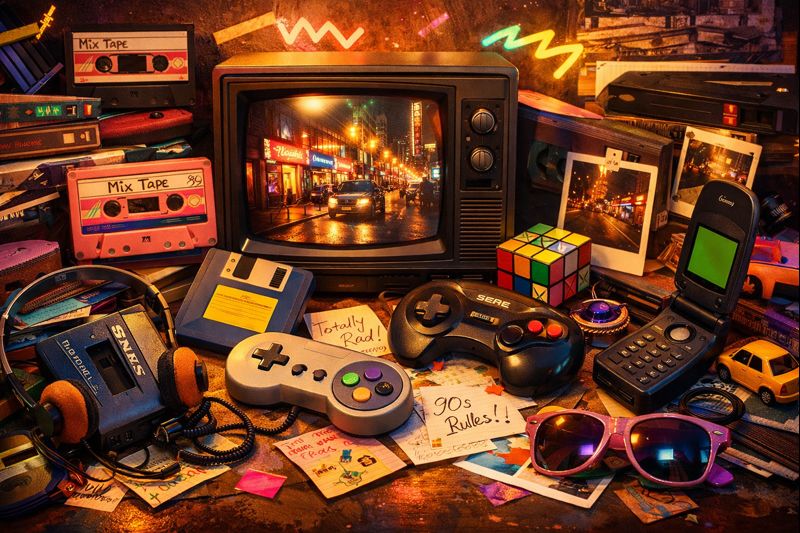
The 1990s weren’t just a decade—they were a feeling. From rewinding cassette tapes with a pencil to waiting all week for your favorite TV show, life moved slower but felt fuller. 90’s Season 1 taps into that emotion beautifully. While most viewers caught the obvious throwbacks, many deep nostalgia references quietly slipped by unnoticed.
Let’s break down the best hidden 90s nostalgia references in Season 1 that might have gone over your head—but hit straight in the heart once you realize them.
1. Analog Technology Everywhere
One of the most authentic touches in 90’s Season 1 is the absence of modern convenience.
What You May Have Missed:
-
Landline phones instead of mobiles
-
Manual TV knobs and CRT screens
-
Cassette players instead of digital music
-
Handwritten notes replacing instant messages
These details aren’t just props—they reflect how communication in the 90s required patience and intention, something rare today.
2. Fashion That Screams “90s” Without Saying It
Rather than exaggerated costumes, the series uses subtle fashion cues that true 90s kids instantly recognize.
Hidden Fashion References:
-
Loose denim jeans and oversized shirts
-
Layered clothing without symmetry
-
Sneakers with thick soles
-
Muted colors mixed with sudden neon
This understated styling mirrors how people actually dressed in the 90s—not how pop culture exaggerates it today.
3. Background Sounds & Music Cues
Music in the 90s was emotional currency, and Season 1 uses it cleverly.
Listen Closely:
-
Soft instrumental versions of popular 90s melodies
-
Radio static transitions between scenes
-
Ambient sounds resembling FM radio or cassette hiss
These audio choices subconsciously trigger memories of late-night radio listening and mixtape culture.
4. Childhood Freedom & Street Culture
A powerful nostalgia trigger is how children are shown outside, unsupervised yet safe.
What Feels Familiar:
-
Kids playing until sunset
-
Street games replacing digital entertainment
-
Neighbors knowing each other personally
This reflects a pre-digital childhood where social interaction happened face-to-face, not through screens.
5. Dialogues That Reflect 90s Mindset
Some dialogues feel oddly “simple” by today’s standards—and that’s intentional.
Subtle Writing Choices:
-
No references to social media or instant validation
-
Emotional moments resolved through conversation, not texts
-
Slower pacing of conflict and resolution
This mirrors how relationships in the 90s were less performative and more personal.
6. Visual Color Grading & Lighting
The warm tones and soft lighting aren’t accidental.
Visual Nostalgia Tricks:
-
Slightly desaturated colors
-
Warm yellow lighting indoors
-
Grain-like texture in certain scenes
These choices replicate the look of old photographs and VHS recordings, triggering visual memory recall.
7. Everyday Objects That Carry Emotional Weight
Sometimes nostalgia isn’t loud—it’s quiet.
Blink-and-You’ll-Miss-It Props:
-
School notebooks with handwritten labels
-
Old calendars on walls
-
Simple household furniture designs
These objects anchor the series firmly in a pre-modern era, making the nostalgia feel earned, not forced.
Why These References Matter
The brilliance of 90’s Season 1 lies in restraint. Instead of shouting “Remember the 90s?”, it lets the decade breathe naturally. That’s why the nostalgia hits harder—it feels real.
For those who lived through it, it’s a memory revival.
For younger audiences, it’s a glimpse into a simpler, emotionally richer time.
Final Thoughts
90’s Season 1 isn’t just entertainment—it’s a time capsule. The references you missed weren’t mistakes; they were carefully planted details meant to reward attentive viewers.
If you rewatch the season now, you’ll notice something new every time—and that’s the magic of true nostalgia-driven storytelling.