The End of the "Free Ride" Era
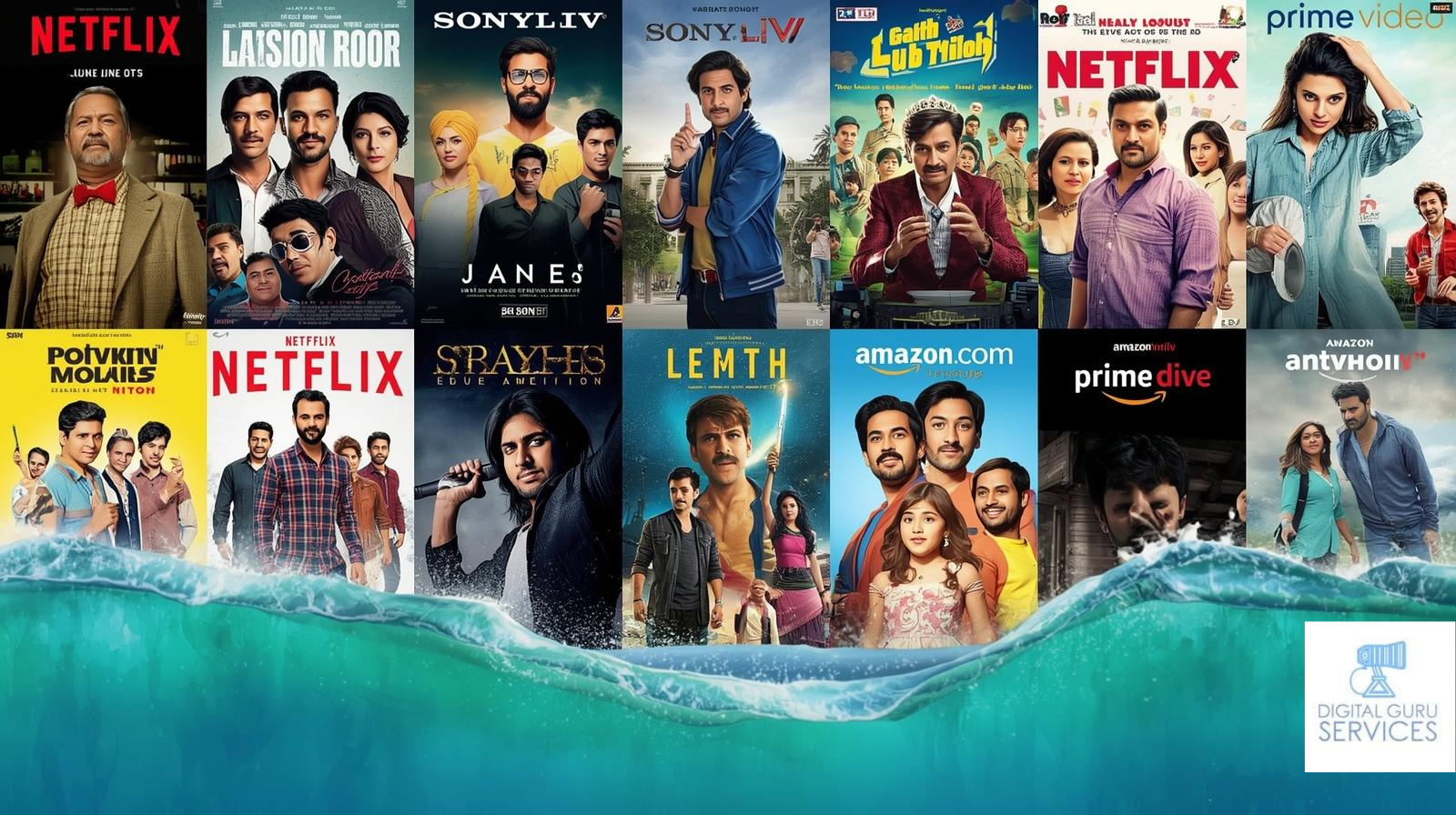
For the first decade of streaming, password sharing was not just tolerated; it was often encouraged. It was a cheap way for platforms to gain brand awareness and "Network Effects." But as we enter 2026, the industry has matured, and the focus has shifted from "User Growth" to "Revenue Optimization." Netflix's successful crackdown in 2023-2024 set the stage, and now, every major OTT platform is grappling with the same question: How do we stop the "Free Ride" without alienating our fans?
The Scale of the Problem
In 2026, it is estimated that over 20% of all streaming minutes are consumed by "Unauthorized Borrowers"—users who have the password but don't live in the primary household. For a platform with 50 million subscribers, this represents billions of dollars in lost revenue. However, simply "blocking" these users is a risky move. If done too aggressively, it leads to high churn and negative PR. The solution in 2026 is a sophisticated blend of technology and "Nudge" economics.
Post-Netflix Strategies: The 2026 Playbook
Successful platforms are now using a multi-tiered approach to handle account integrity:
1. The "Paid Sharing" Model (The Carrot)
Instead of forcing a borrower to buy a full-priced subscription, platforms offer an "Extra Member" add-on. For a small fee ($3-$5), the primary account holder can legally share their account with someone outside their home. This "Middle Ground" converts a borrower into a partial-revenue-generating user and maintains the account's stickiness.
2. AI-Driven Household Detection (The Stick)
In 2026, simple IP tracking is no longer enough. Sophisticated AI models now analyze "Behavioral Biometrics"—patterns of device usage, time of day, and even content preferences—to identify distinct households with 99% accuracy. When a "Borrower" is detected, they aren't immediately blocked. Instead, they are presented with a "Personalized Migration Path."
3. Profile Portability: Reducing the Friction
One of the biggest barriers to starting a new subscription is losing your "Watch History" and "My List." Modern platforms now offer seamless "Profile Transfers," allowing a borrower to move their entire digital identity to a new account with one click. This significantly increases the conversion rate of borrowers into new subscribers.
The Technical Implementation: Balancing Security and UX
Implementing a crackdown is a technical tightrope walk. Platforms must distinguish between a "Borrower" and a "Legitimate Mobile User" (someone watching on their phone at the gym or on vacation). In 2026, this is handled through **Context-Aware Authentication**. If a device frequently connects from the primary household's Wi-Fi, it is "Trusted" for a certain period, allowing for seamless mobile viewing without constant re-verification.
The Global Impact: A Multi-Billion Dollar Revenue Unlock
The results of these crackdowns have been staggering. Industry analysts estimate that "Account Integrity" measures will unlock over $15 billion in new revenue by 2028. This capital is being directly reinvested into higher-quality original content, creating a "Virtuous Cycle" for the platforms that get it right.
Conclusion: From Sharing to Paying
The "Password Sharing" debate is ultimately a maturation of the industry. Just as the music industry had to move past Napster, the streaming industry is moving past the "Free-for-All" era. The winners in 2026 are the platforms that can communicate the value of their content effectively and provide a "Fair Path" for every viewer to contribute to the ecosystem. Password sharing won't disappear entirely, but it will become a managed, monetized feature rather than a loophole.