The Great Escape: Why Creators are Leaving the "Social Algorithms"
For years, the dream for any digital creator was to "Go Viral" on YouTube or TikTok. But in 2026, the dream has changed. Creators have realized that they are "Tenants" on social media platforms—they don't own their audience, they don't own their data, and they can be evicted at any moment by an algorithm change. The result? The "D2C (Direct-to-Consumer) OTT" revolution. Creators are now building their own branded "White-Label" streaming services to take back control of their destiny.
What is a White-Label OTT Platform?
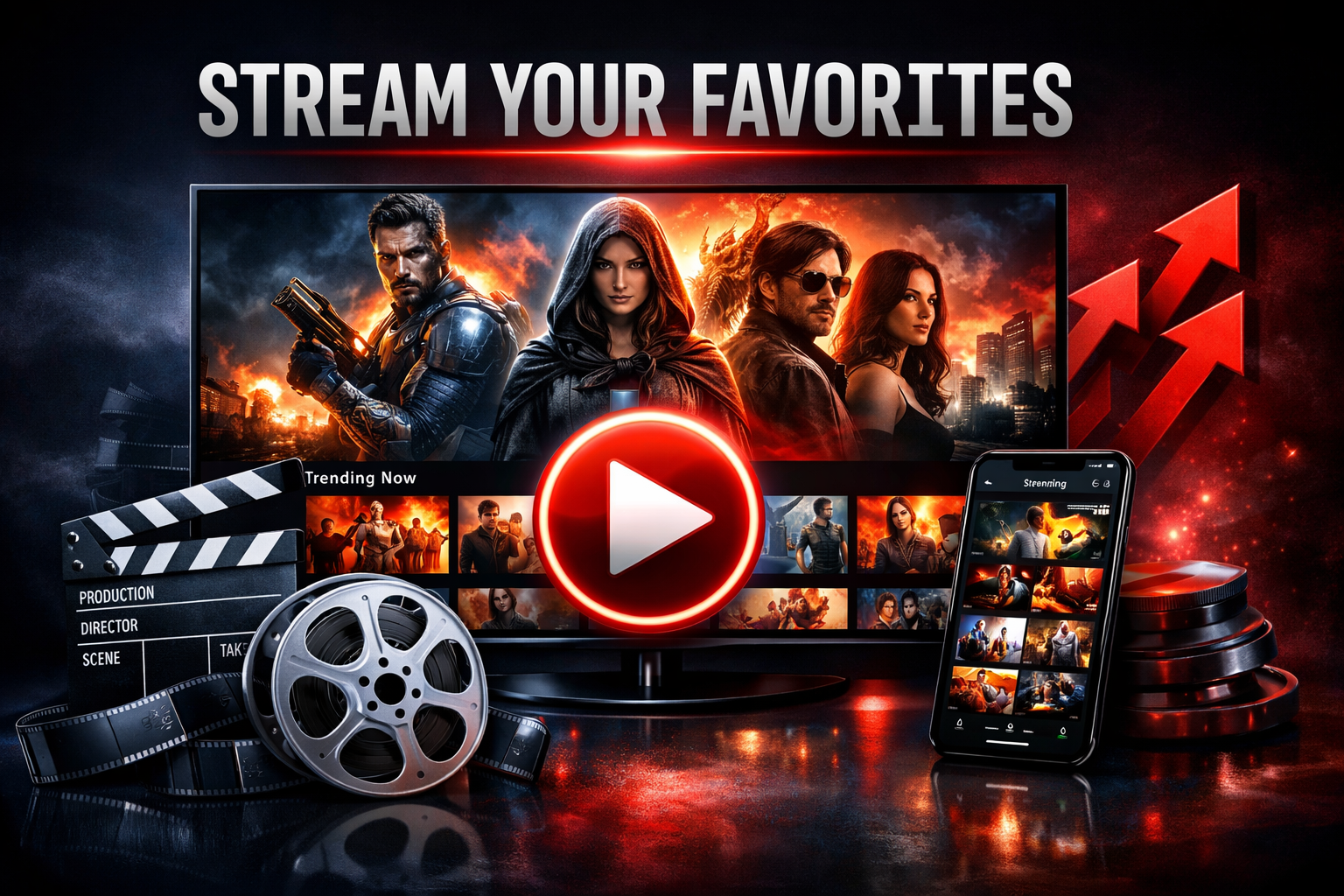
A white-label OTT platform is an "Out-of-the-Box" technology solution that allows a creator to launch their own Netflix-style app. It provides the hosting, the video player, the payment gateway, and the apps for iOS, Android, and Smart TVs—all under the creator's own brand. In 2026, these platforms have become so sophisticated that a single creator can manage a global media empire from their laptop.
Key Factors for Choosing a Platform in 2026
Not all white-label solutions are created equal. When selecting a partner, modern creators look for three critical features:
1. Multi-Device Ubiquity
If your content isn't on the TV, you're not a "Real" media brand in the eyes of the consumer. The best platforms (like Uscreen, Muvi, and VPlayed) offer native apps for Roku, Apple TV, Amazon Fire, and Samsung/LG TVs as part of their standard package.
2. Deep Analytics and Data Ownership
The real value of D2C is the data. Creators want to know exactly *who* their fans are, where they live, and what they watch. This allows for personalized email marketing, targeted merchandise drops, and a much higher Customer Lifetime Value (LTV) than social media ads could ever provide.
3. Flexible Monetization Tools
In 2026, a "One-Size-Fits-All" subscription is not enough. Creators need platforms that support:
- SVOD: Monthly/Annual subscriptions.
- TVOD: One-time purchases or rentals for special events/courses.
- Live Streaming: For real-time workshops, Q&As, or "Digital Tours."
- Community Features: Integrated forums and chat to turn "Viewers" into "Members."
The Top Contenders: Who's Leading the Market?
As of 2026, the market has several clear leaders, each serving a different niche:
- Uscreen: The "Shopify of Video." Best for fitness, educational, and lifestyle creators who want an easy-to-use, beautiful interface.
- Muvi: The "Enterprise Powerhouse." Best for media companies and creators who need highly custom features and extreme scalability.
- VPlayed: The "Customization King." Best for those who want a one-time payment model and full control over their source code and hosting.
The Economic Reality: Is it Worth the Cost?
Running your own OTT platform is not free. Between platform fees and marketing costs, it's a significant investment. However, in 2026, the "Creator Math" is clear. A creator with 10,000 "True Fans" paying $10/month on their own platform earns $1.2 million a year. To earn that same amount on YouTube through ads, they would need tens of millions of views every single month. D2C OTT is the path to a sustainable, independent career.
Conclusion: The Future of Media is Fragmented and Owned
The "Big Tech" platforms will always have a place as a discovery tool. But for the serious creator, the future is "Owned Media." By 2030, we expect every major influencer, athlete, and brand to have their own OTT destination. The "White-Label" revolution has democratized the technology of television, allowing anyone with a story to tell to become their own network. The era of the "Middleman" is ending; the era of the "Direct Relationship" has arrived.