The Great Rebalancing: A New Era of Monetization
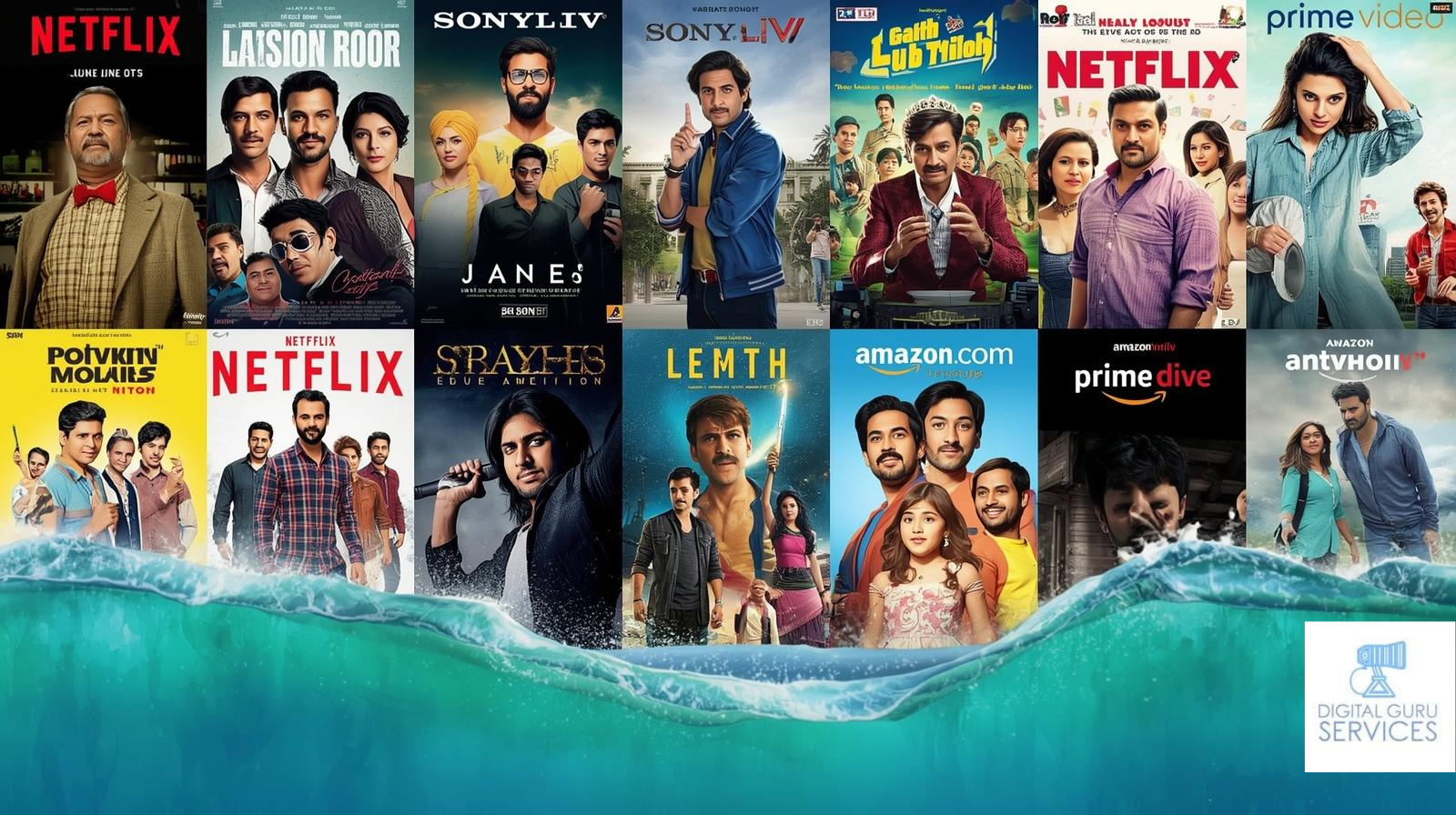
As we navigate through 2026, the global Over-The-Top (OTT) industry has reached a critical inflection point. The early days of the "Streaming Wars" were defined by a singular focus: subscriber acquisition at any cost. Today, the narrative has shifted toward sustainable profitability, Average Revenue Per User (ARPU), and retention. This shift has forced a massive re-evaluation of the three primary monetization models: Subscription Video On Demand (SVOD), Advertising Video On Demand (AVOD), and Free Ad-supported Streaming TV (FAST).
For years, SVOD was considered the gold standard. It promised an uninterrupted, premium experience that justified a monthly fee. However, the market has matured, and with maturity comes "Subscription Fatigue." The average household in developed markets now manages between 4 to 6 different streaming services, leading to a fragmented user experience and mounting monthly costs. This fatigue is the primary driver behind the explosive growth of ad-supported models.
SVOD: The Evolution of Premium Tiers
Subscription Video On Demand (SVOD) is far from dead, but it has evolved. In 2026, the "pure" SVOD model—where a single price unlocks everything without ads—is becoming a luxury tier. Major players like Netflix, Disney+, and Max have successfully transitioned their user bases into tiered structures. These tiers often include a "Premium" ad-free experience, a "Standard" tier with limited ads, and a "Basic" tier that is heavily ad-supported.
The Psychology of the Subscription
Why do users still pay? The answer lies in exclusivity and original content. High-budget tentpole series and blockbuster films remain locked behind SVOD paywalls. For the hardcore fan, the $15-$25 monthly fee is a small price to pay for cultural relevance and high-fidelity 4K HDR streaming. However, platforms are finding that the ceiling for price increases is lower than previously thought. To maintain growth, SVOD platforms are now focusing on "Value-Added Services" such as integrated gaming, interactive experiences, and early access to theatrical releases.
AVOD: The Hybrid Powerhouse
Advertising Video On Demand (AVOD) has emerged as the most resilient model in the 2026 landscape. By offering a lower entry price (or even a free tier) in exchange for viewing advertisements, AVOD bridges the gap between premium content and affordability. This model is particularly effective in price-sensitive markets like India, Southeast Asia, and Latin America.
The Ad-Tech Revolution
What makes AVOD in 2026 different from the "TV commercials" of the past? The answer is data. Modern AVOD platforms utilize sophisticated AI-driven ad-insertion technology. Ads are no longer generic; they are hyper-targeted based on the viewer's behavior, demographics, and even real-time intent. This precision allows platforms to charge higher CPMs (Cost Per Thousand impressions) while providing a less intrusive experience for the viewer. "Contextual Advertising"—where ads are matched to the specific scene or theme of the content—has become a standard, significantly increasing engagement rates.
FAST: The Resurgence of Linear Lean-Back
Free Ad-supported Streaming TV (FAST) is perhaps the most surprising success story of the mid-2020s. FAST channels provide a "linear" experience—meaning the content is scheduled, much like traditional cable or broadcast TV. You don't choose what to watch; you just tune in to a channel.
Solving Decision Fatigue
In an era of infinite choice, "Choice Paralysis" is a real psychological burden. FAST channels solve this by offering a "lean-back" experience. Whether it's a 24/7 Gordon Ramsay channel, a "Classic Sci-Fi" channel, or a local news feed, FAST allows users to consume content without the cognitive load of searching. By 2026, FAST has become the primary growth driver for Connected TV (CTV) manufacturers like Samsung, LG, and Vizio, who integrate these channels directly into the hardware's home screen.
The Verdict: Who Wins in 2026?
The winner is not a single model, but a **Total Video Ecosystem**. The most successful OTT platforms of 2026 are those that have mastered the "Monetization Mix." They use FAST channels as a top-of-funnel discovery tool to attract free users, AVOD tiers to monetize the mass market, and SVOD tiers to extract maximum value from premium fans.
Platforms that can seamlessly transition a user from a free FAST channel to a paid SVOD subscription through personalized "nudges" and bundled offers are the ones dominating the market share. In 2026, the "Win" is defined by **Time Spent** and **Customer Lifetime Value (CLV)**, and achieving this requires a multi-pronged approach that respects both the viewer's wallet and their time.
The Future Outlook
Looking ahead toward 2030, we expect to see even further convergence. We may see "Dynamic Paywalls" that change based on a user's likelihood to subscribe, or "Sponsored Subscriptions" where a brand pays for a user's premium access in exchange for deep brand integration. The boundaries between SVOD, AVOD, and FAST will continue to blur, creating a more fluid and user-centric streaming world.