The Great Re-Bundling of 2026
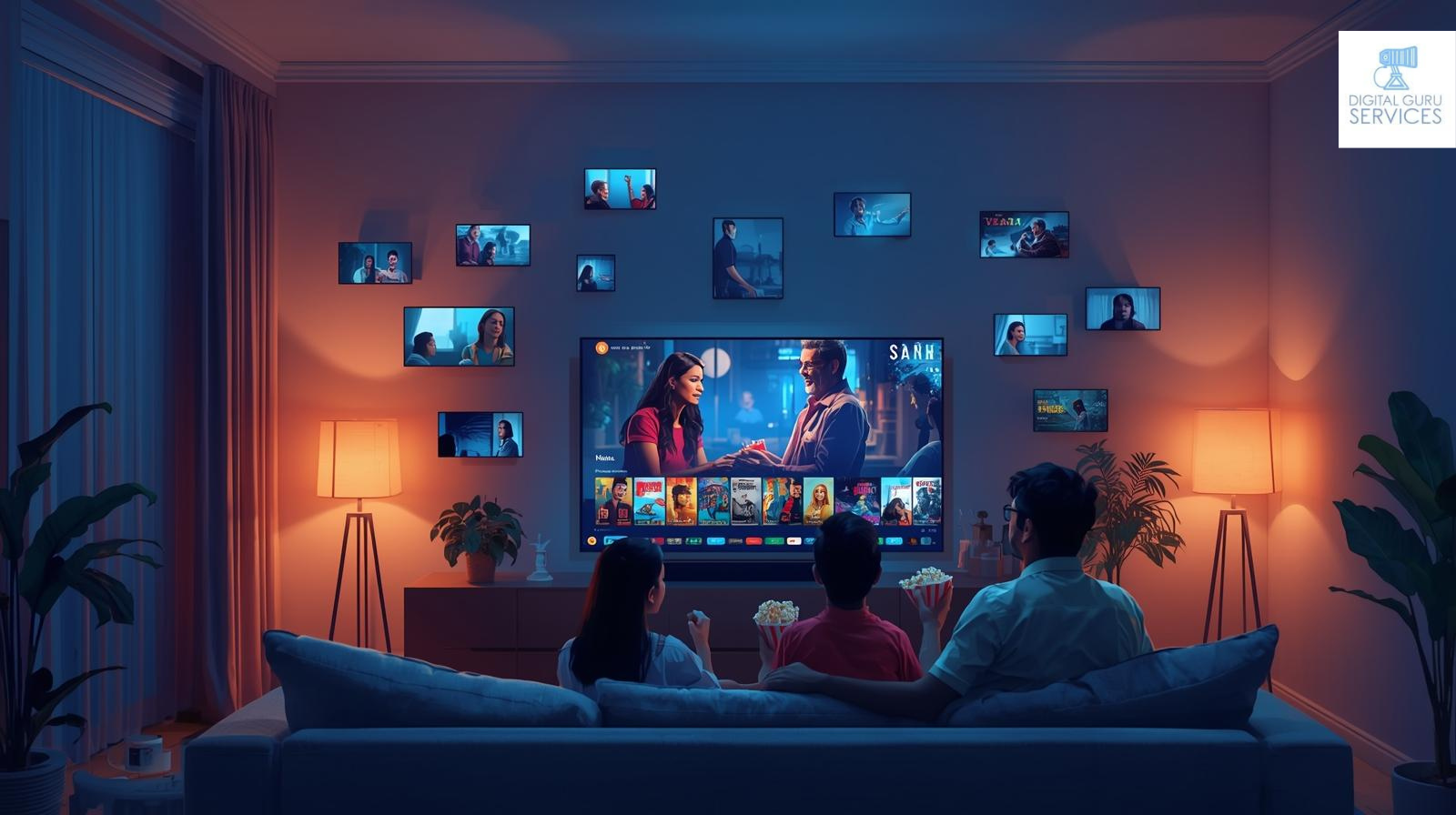
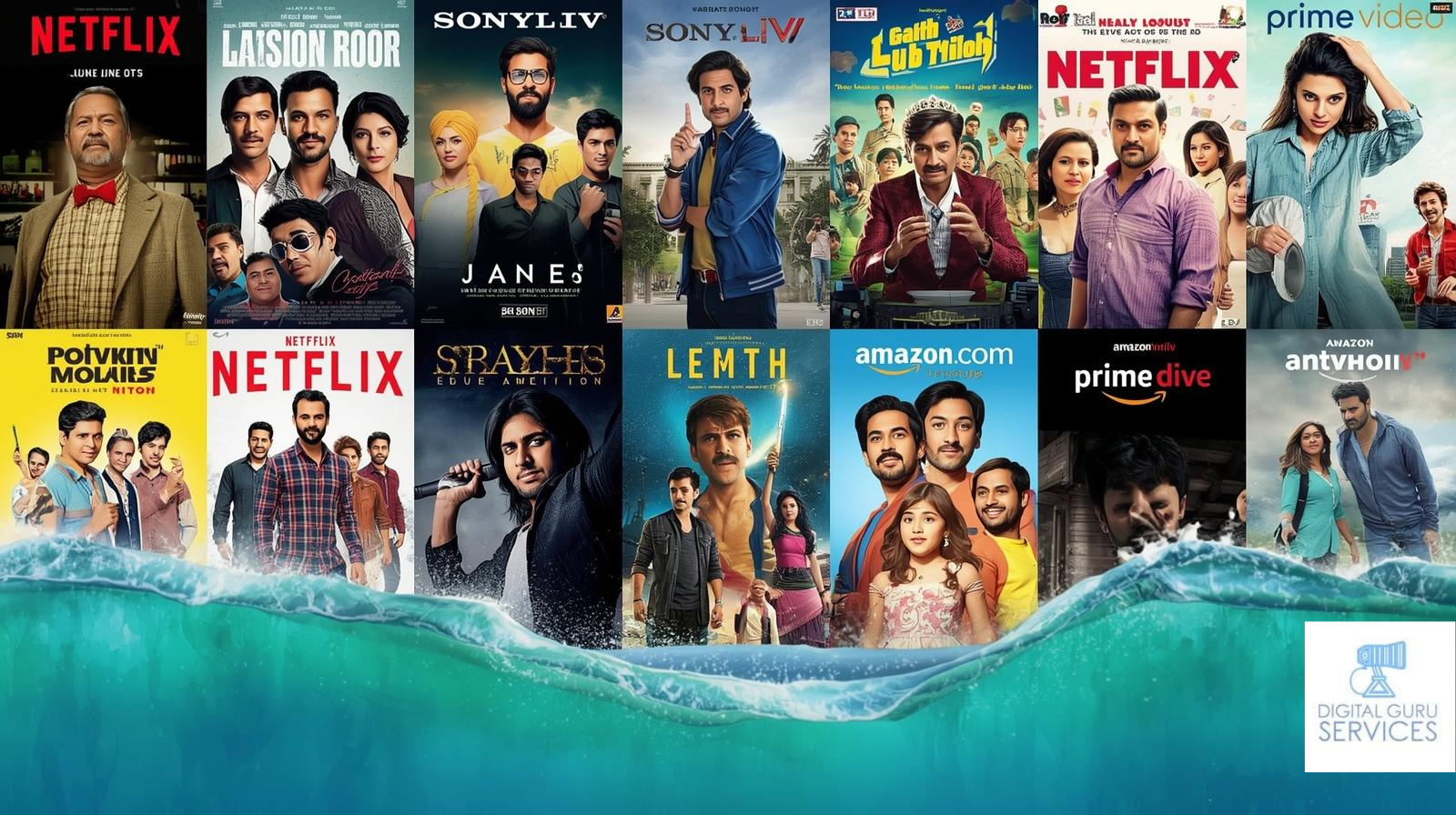
A decade ago, the promise of streaming was "Unbundling"—the ability to pay only for the content you wanted, breaking free from the bloated, expensive cable packages. However, as the number of streaming services exploded, the experience became fragmented, expensive, and frustrating. In 2026, the pendulum has swung back. We are now in the era of the "Great Re-Bundling," where Telcos, OTT platforms, and Sports networks are forming powerful alliances to create the ultimate "Super-App" experiences.
The Telco Advantage: The New Gatekeepers
Telecommunications companies (Telcos) have successfully reclaimed their position as the primary gatekeepers of digital life. In 2026, a 5G or Fiber subscription is rarely just about data; it's a gateway to an entire entertainment ecosystem. Telcos like Reliance Jio, Airtel, Verizon, and T-Mobile have realized that content is the ultimate retention tool. By offering "All-in-One" plans that include Netflix, Amazon Prime, Disney+, and local streaming services, Telcos reduce their "Churn Rate" to historic lows.
The Retention Play: Sticky Subscriptions
For an OTT platform, acquiring a customer through a Telco bundle is significantly cheaper than direct-to-consumer marketing. While the revenue per user might be slightly lower due to the wholesale discount, the "Stickiness" is far higher. A user who gets their streaming as part of their home internet bill is much less likely to cancel than someone paying $15 separately on their credit card. This stability allows OTT platforms to plan long-term content investments with greater confidence.
The Sports Factor: The Ultimate Bundle Anchor
Live sports remains the most valuable content on the planet. In 2026, the integration of high-stakes sports rights into digital bundles has changed the game. "Sports Packs"—which might bundle the IPL, English Premier League, and NBA—are being used as the primary driver for high-value premium bundles. These aren't just video feeds; they are interactive experiences with real-time stats, multiple camera angles, and social watch-along features.
The Disney+ Hotstar Blueprint
The success of Disney+ Hotstar in India has become the global blueprint for bundling. By combining a massive library of Western content, local originals, and the crown jewel of Indian sports (Cricket), they created a service that felt indispensable. In 2026, we see this model being replicated globally, with platforms like Apple TV+ and Amazon Prime Video aggressively bidding for sports rights to anchor their own ecosystem bundles.
Solving the "Subscription Fatigue"
Beyond cost, the biggest benefit of bundling is **Simplicity**. The modern consumer is overwhelmed. Managing multiple logins, payment methods, and discovery interfaces is a chore. Bundled services solve this through:
- Single Sign-On (SSO): One account for everything.
- Unified Billing: One line item on a single monthly bill.
- Universal Search: A single search bar that finds content across all bundled platforms.
- Cross-Platform Recommendations: AI that understands your preferences across movies, sports, and music.
The Business Impact: ARPU vs. Volume
Critics of bundling argue that it dilutes the brand and lowers the Average Revenue Per User (ARPU). However, the data in 2026 suggests otherwise. While the individual service ARPU might drop, the **Ecosystem ARPU** increases. A customer who takes a $50 bundle is worth more than a customer who takes a $15 standalone service for three months and then cancels. The "Lifetime Value" (LTV) of a bundled customer is consistently 2.5x to 3x higher than a standalone subscriber.
Conclusion: The Future is Aggregated
The "Unbundled" dream was a necessary step in the evolution of media, but the "Aggregated" reality of 2026 is what the market actually needs for long-term sustainability. As we move forward, expect to see even more unconventional bundles—think OTT + Gaming + Food Delivery + Health Insurance. The "Digital Lifestyle Bundle" is the final frontier of the OTT industry, and those who master the art of the partnership will be the ones who survive the next decade.